ARCHE-TYPES
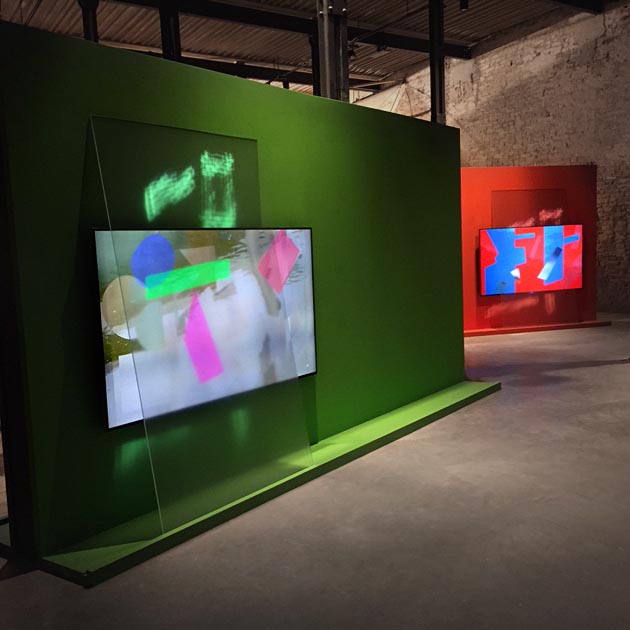
The installation functions as a labyrinth of color and frequency, designed not as a space for observation, but as a path to reach the work through active meditation. Commissioned for the Vatican Pavilion at the 56th Venice Biennale, now part of the Collection of Modern and Contemporary Art of the Vatican Museums, the piece weaves together three systems of meaning: the prologue of the Gospel of John and its meditation on the Logos and Incarnation; Malevich's Suprematist ideas of non-objectivity; and Zaum, the transrational language articulated by the avant-garde poet Aleksei Kruchenykh.
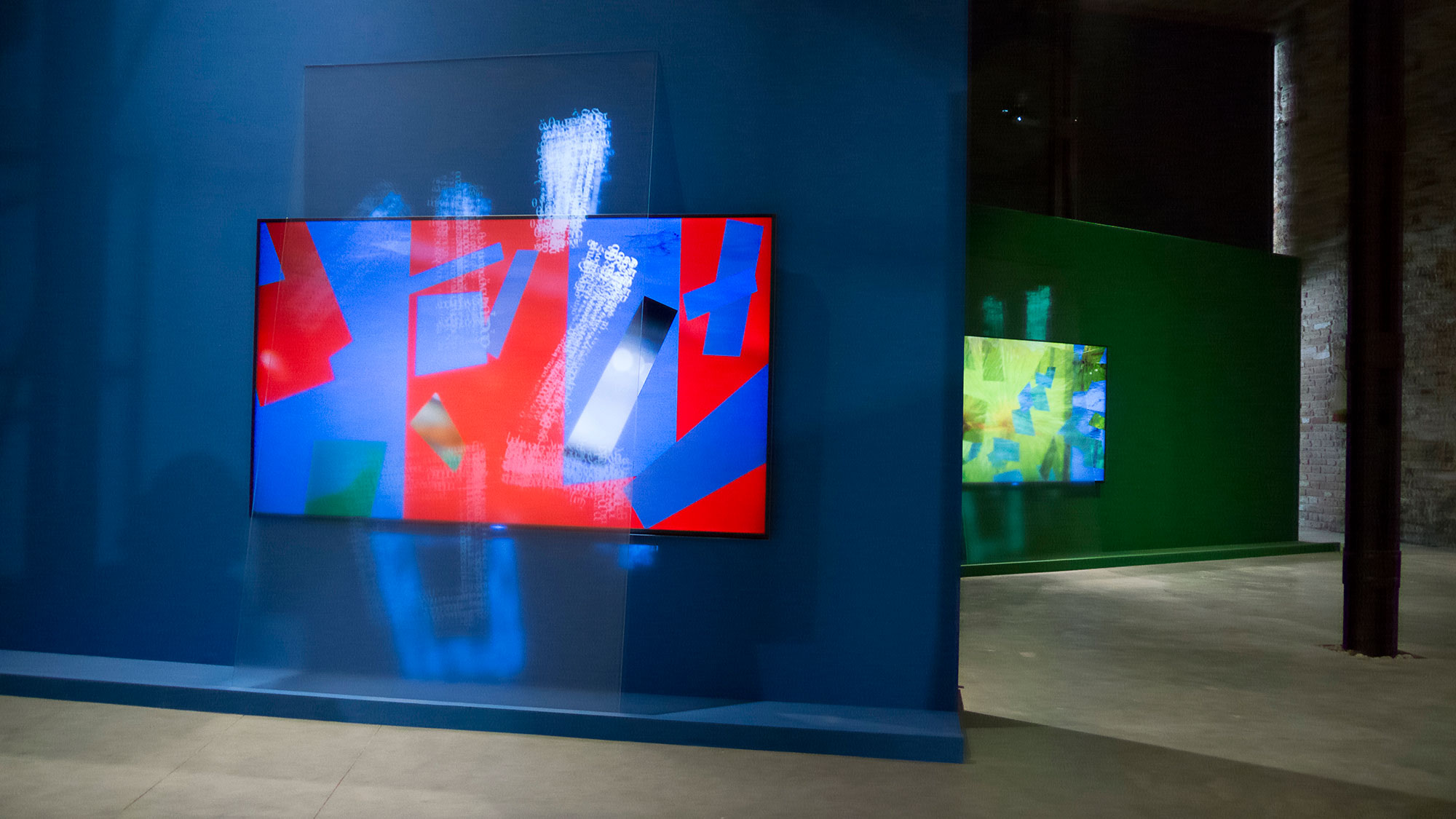
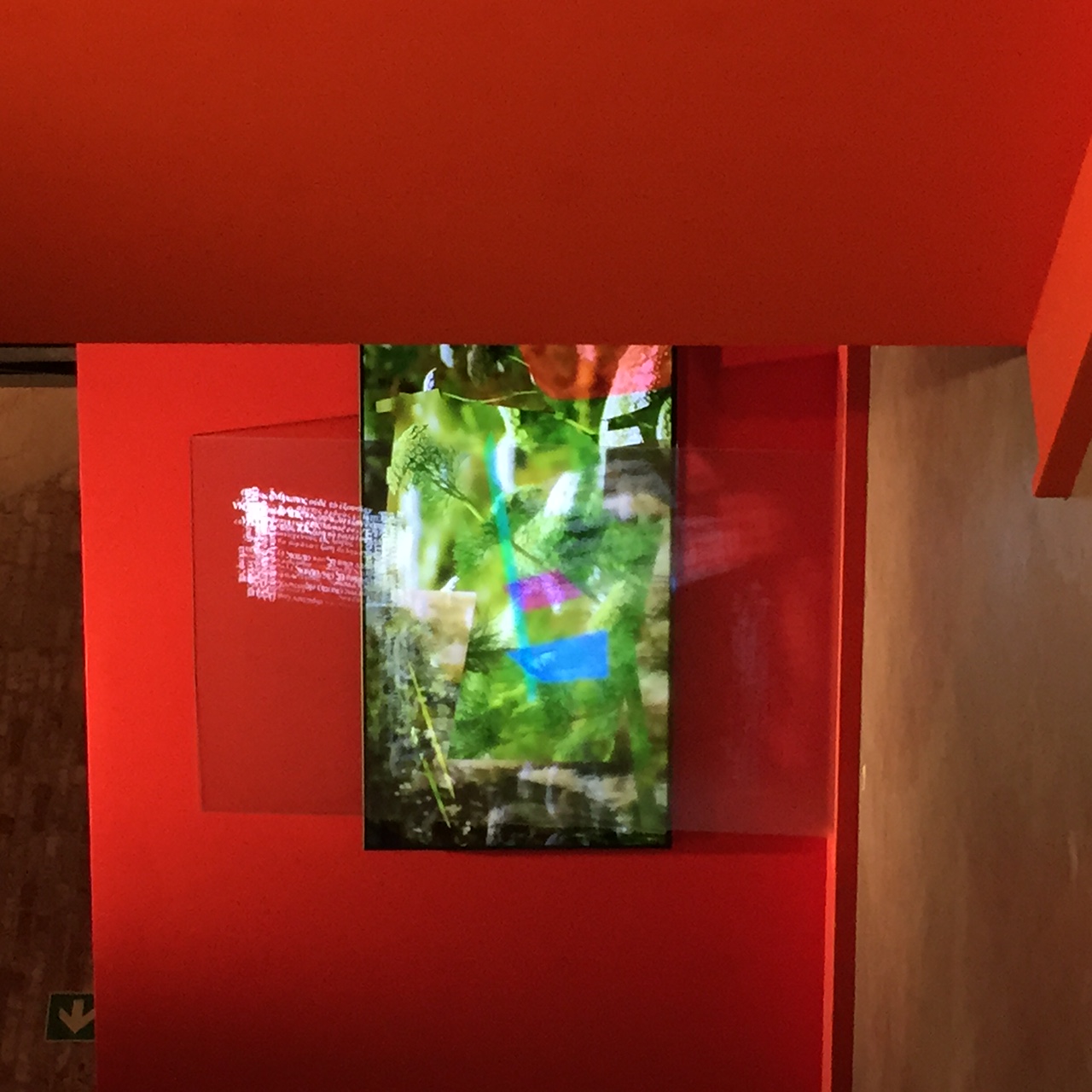
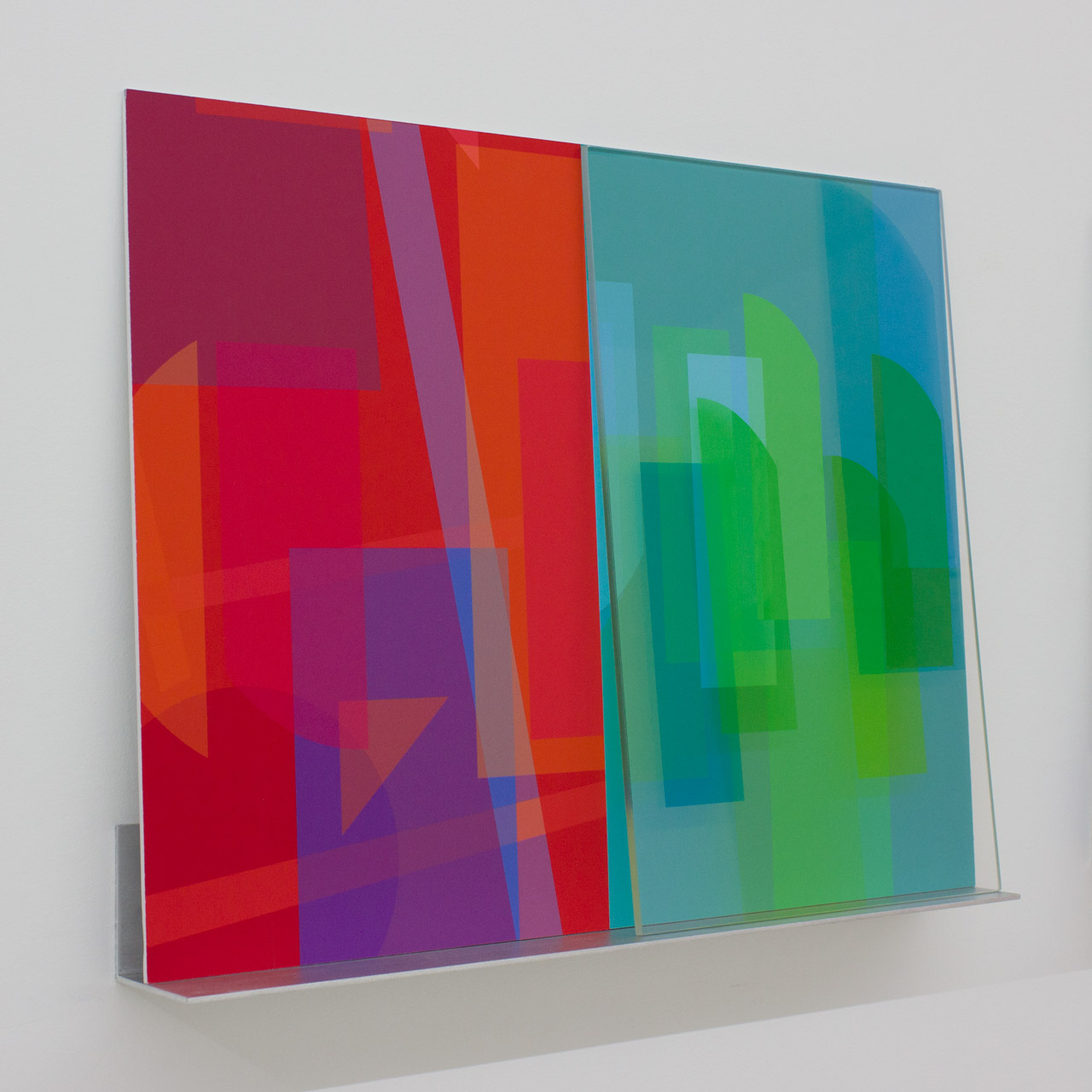
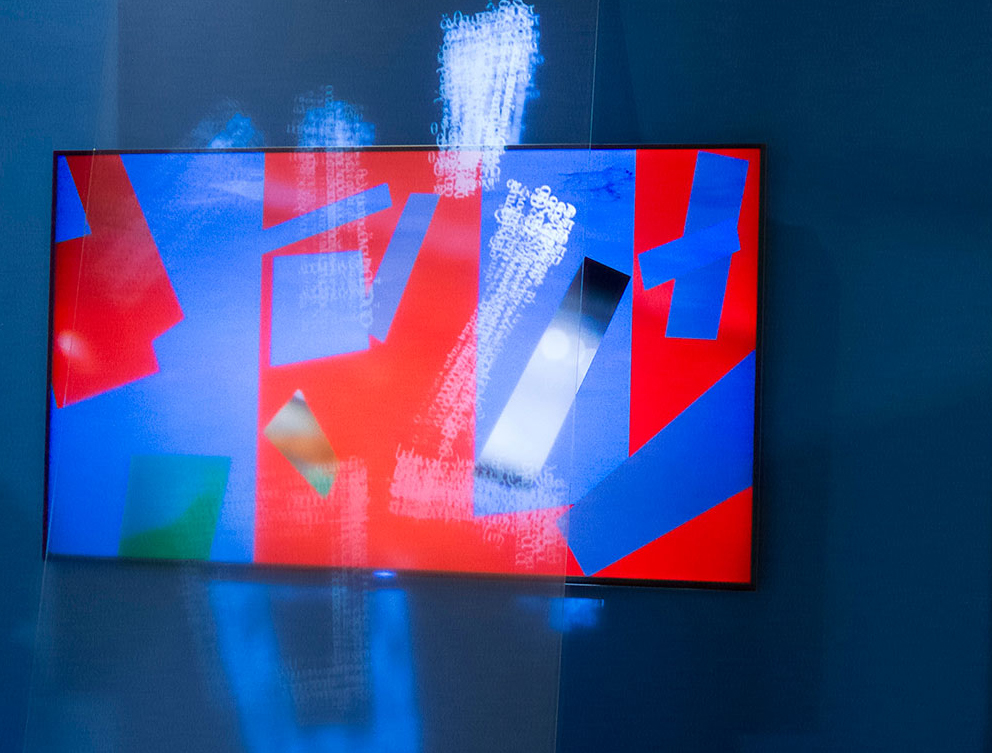
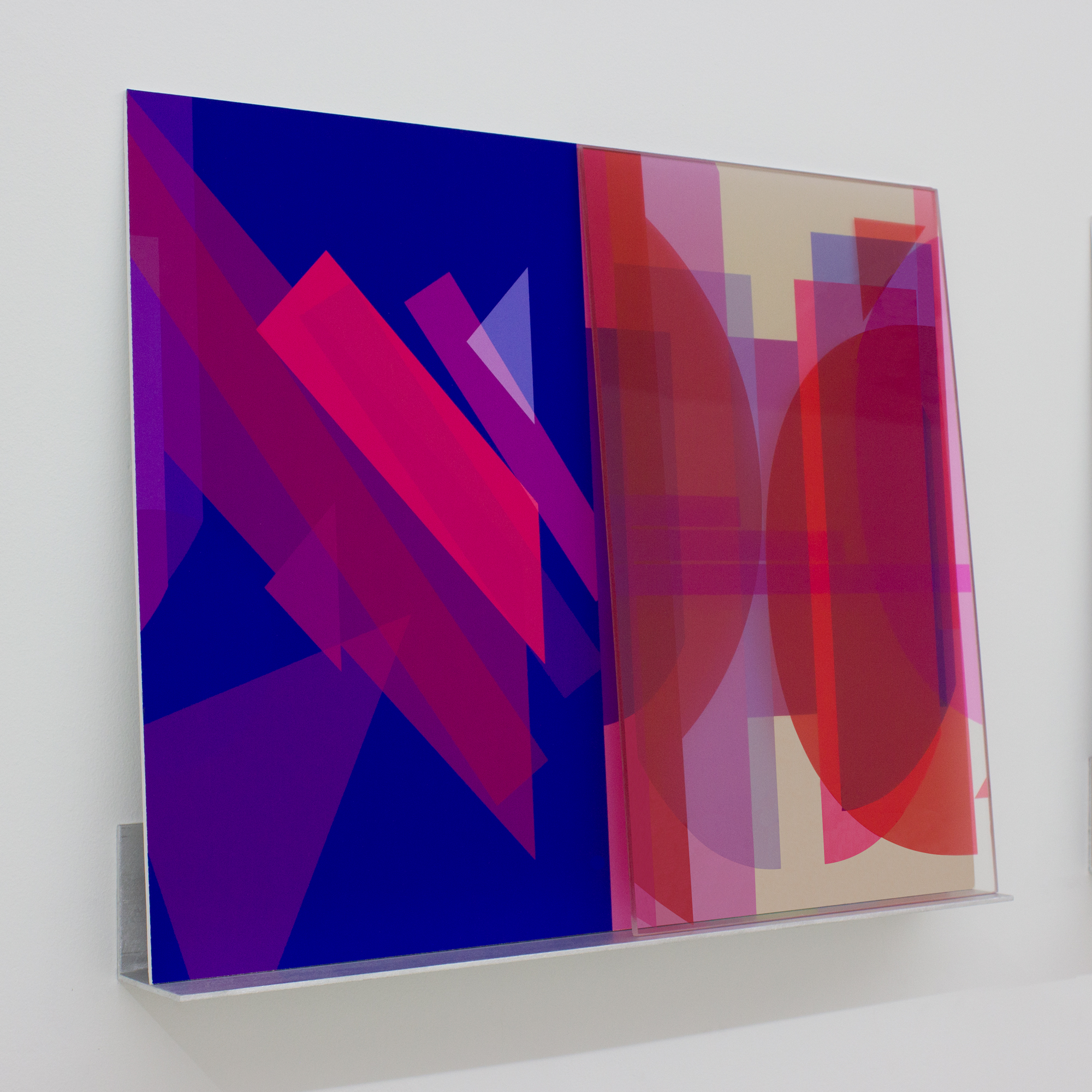
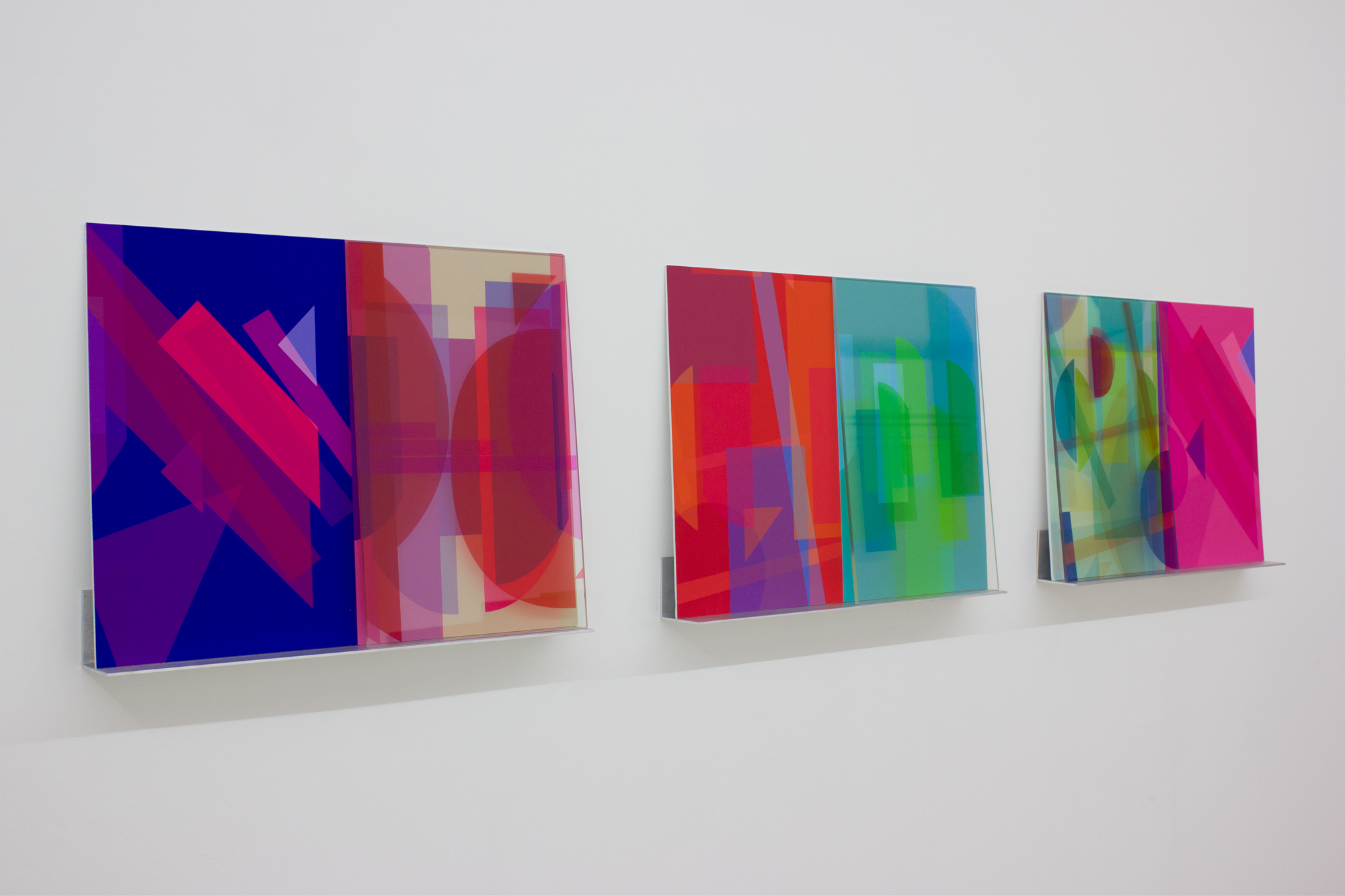
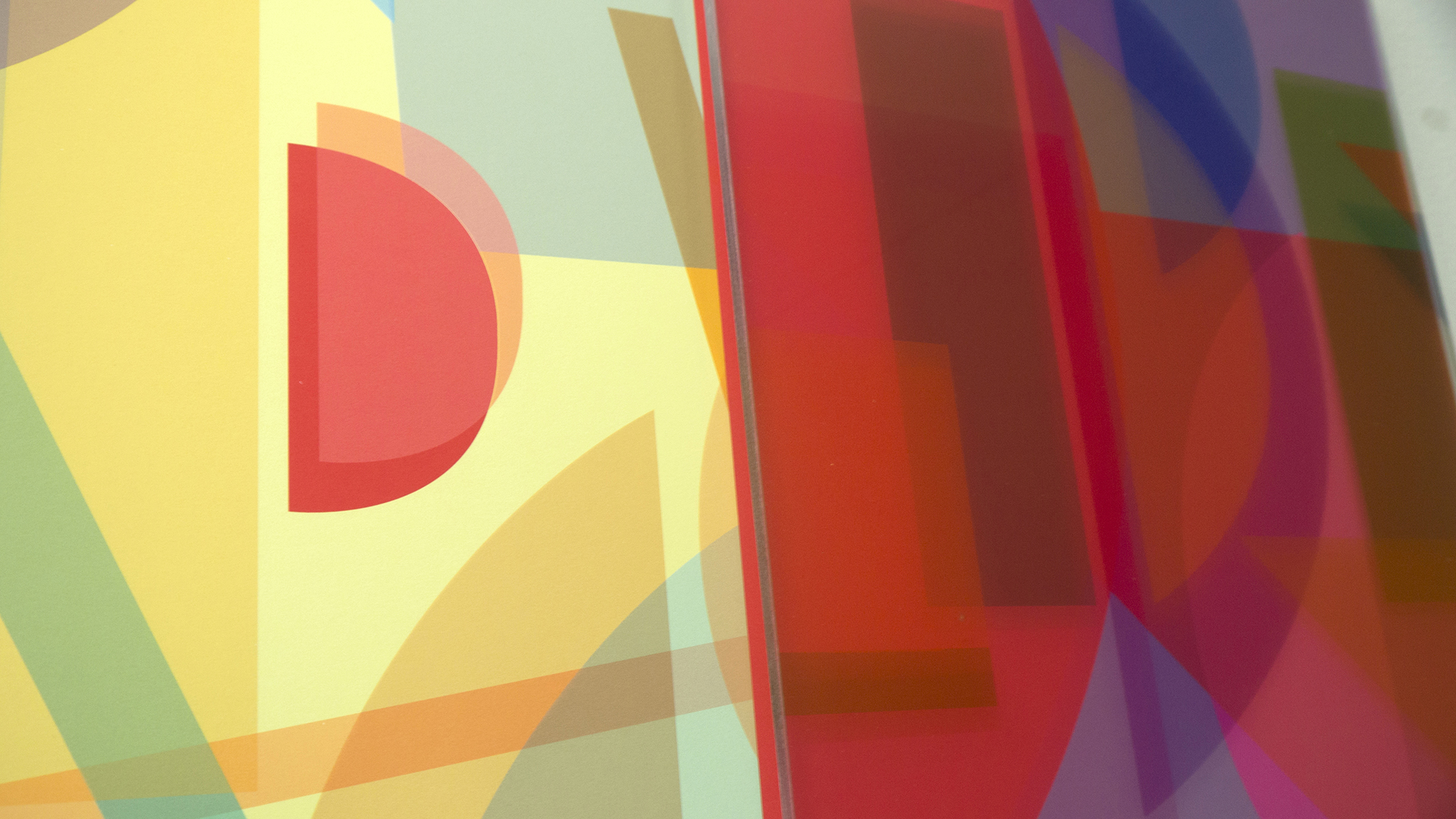
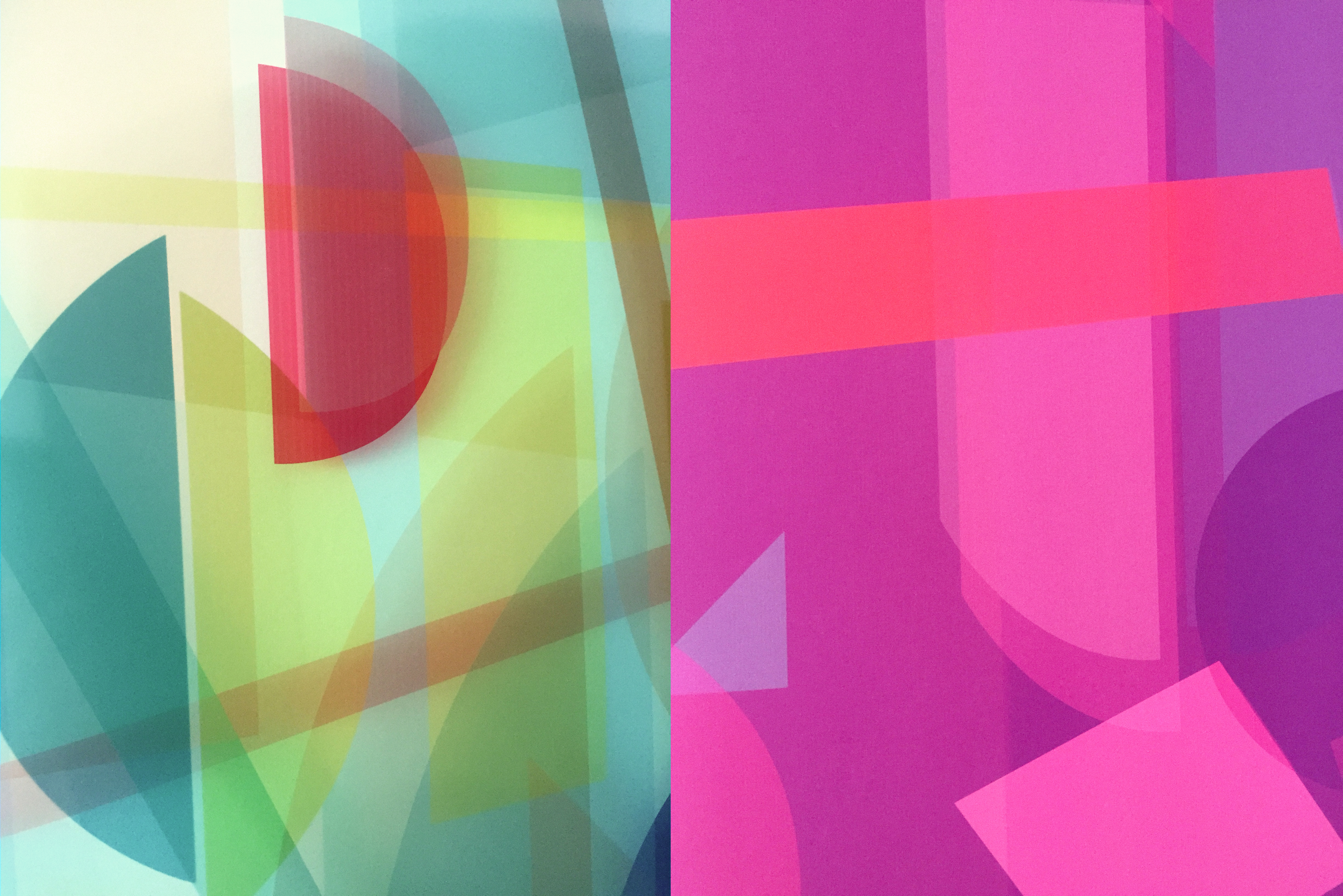
Six bold color-field panels, each housing a 75-inch monitor, fill the space with slow-moving animations whose abstracted geometric forms recall Malevich paintings. Floating glass panels coated for projection carry words from John's prologue rendered as pure visual form. Toward the back of the space, nine representations of open books display abstracted words in Latin and Greek, the liturgical language of the Church, written in the Bauhaus modular typeface developed by Josef Albers; words spoken in mass that move beyond literal understanding, which is precisely the condition of Zaum; language operating as form rather than meaning.
From speakers positioned so that projected sound reaches only certain places in the space, the words of the gospel are recited in six languages as a deconstructed list with no syntactic order, as if the Word itself were arriving from an unlocatable source. By entering this space, the viewer moves through a physical incarnation of color to ask how the Word can be represented at all, and whether the Logos is the word, the manifestation, or the Incarnation we carry in order to evolve.